Enterprise Software Development Services For Mission-Critical Systems
Evolve Edge builds custom enterprise software for organizations that cannot afford downtime, data leaks, or failed audits. Our senior engineers design systems that connect to the platforms you already run, pass security review, and are ready for AI from the first release.
- Company SSO
- Role-based access
- Audit trail
- Encrypted data
- Enterprise platforms delivered
- 20+
- Critical audit findings
- 0
- Projects blocked at security review
- 0
- Type II security standard
- SOC 2
What Is Enterprise Software Development?
Enterprise software development is the work of designing, building, and running software that supports critical operations across a large organization. These systems serve thousands of users in many departments, handle sensitive data, and must meet strict rules for uptime, security, and compliance.
It is also called enterprise application development. Common examples include operations platforms, customer portals, extensions to ERP and CRM systems, unified data platforms, and internal AI tools that help teams make faster, better-informed decisions.
Common enterprise applications
- 01Operations platforms
- 02Customer portals
- 03ERP and CRM extensions
- 04Unified data platforms
- 05Internal AI tools
Enterprise Application Development vs Standard App Development
An enterprise application is not simply a bigger app. It faces different demands at every layer, and those demands shape how it must be planned, built, and run.
| Standard App | Enterprise Application | |
|---|---|---|
| Users | Hundreds to thousands | Thousands across regions |
| Sign-in | Email and password | Company-wide accounts and permissions |
| Data | One database | Many connected systems |
| Compliance | Basic privacy rules | Industry regulations and audits |
| Uptime | Best effort | Contracted service levels |
| Releases | Ship anytime | Approved, tracked, and staged |
When Custom Enterprise Software Development Makes Sense
Off-the-shelf software works well for standard processes. Custom enterprise software development pays off when your needs no longer fit the box. These four signs usually mean it is time.
Your Workflows Need Workarounds
Teams rely on spreadsheets, manual copying, and side tools to make vendor software fit how they actually work, which wastes hours every week.
Licensing Costs Keep Climbing
Per-seat fees rise faster than the value you get, and you pay for large feature sets that most of your teams never use.
Data Must Stay Under Your Control
Regulators, clients, or internal policy require you to decide exactly where data lives, who can see it, and how long it is kept.
Your Process Is Your Advantage
The way you serve customers sets you apart from competitors, and squeezing it into generic software would erase that difference over time.
Our Enterprise Software Development Services
We design and build the systems that keep large organizations running. Each one is shaped around your processes, your users, and the rules your industry operates under.
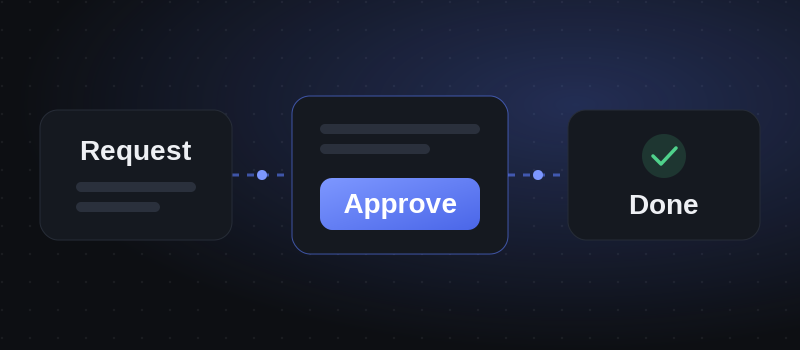
Operations And Workflow Platforms
Internal systems that replace spreadsheets, email chains, and manual handoffs with clear approvals, automatic routing, and live reporting, so work moves between departments without getting lost.
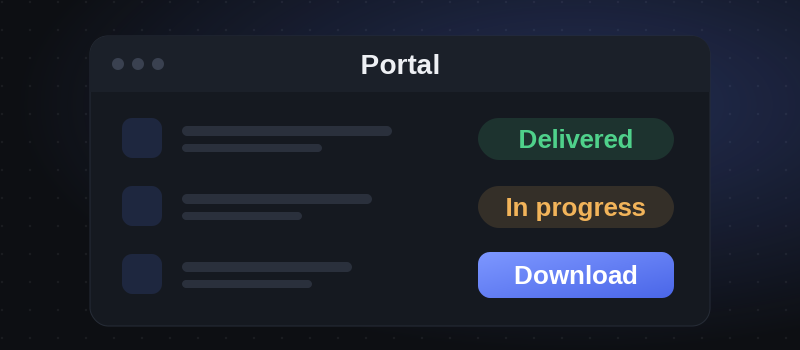
Customer And Partner Portals
Secure self-service portals where customers, suppliers, and partners can place requests, track progress, and download documents themselves, cutting support calls while giving every user the right view.
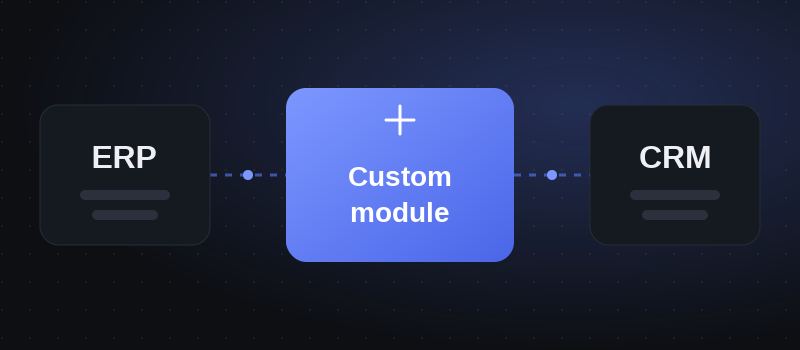
ERP And CRM Extensions
Custom modules, screens, and automations built on top of the business platforms you already pay for, so you close the gaps without replacing systems your teams know well.
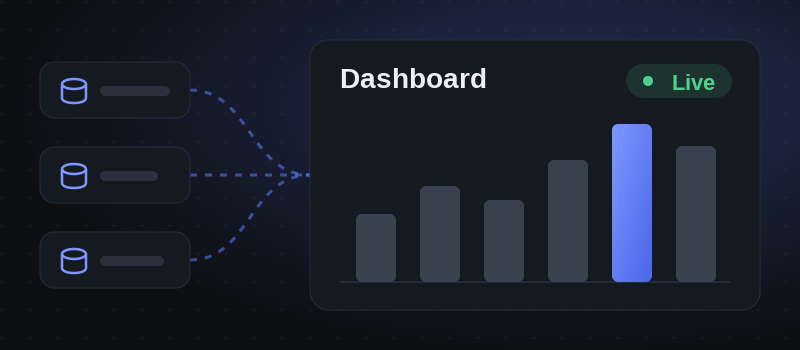
Data Platforms And Reporting
One trusted source of data pulled from every system you run, with dashboards leadership can rely on and a clean foundation for analytics and future AI projects.
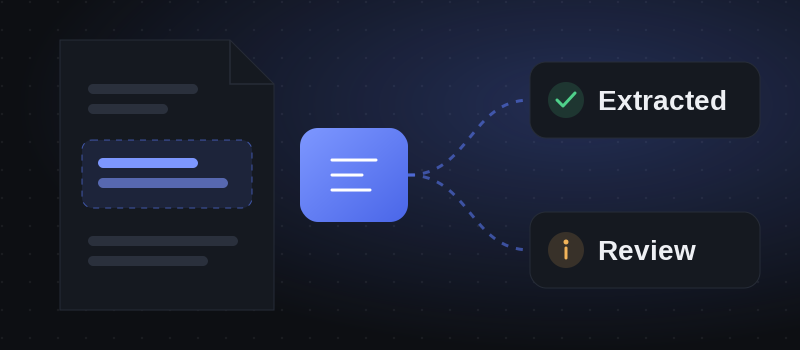
Automated Document Processing
Forms, contracts, records, and invoices read and checked automatically, with key details extracted into your workflows and unclear cases sent to a person for a quick review.
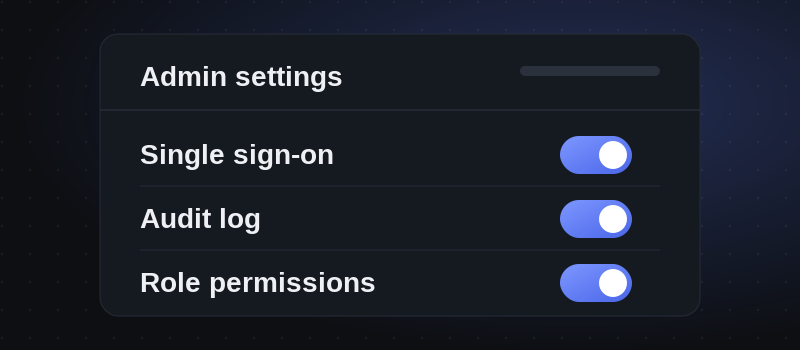
Enterprise-Ready SaaS
For software companies selling to large customers. We add the controls, admin tools, and documentation enterprise buyers ask for, so security questionnaires stop stalling your deals.
Enterprise AI Development With Governance Built In
Most enterprise AI projects stall after the pilot. Security teams cannot approve them, data rules are unclear, and costs climb with no clear owner. We build AI that clears these hurdles, because control is designed in from the start.
Governed Internal AI Platforms
A private AI workspace for your whole organization, with company sign-in, separate data for each team, and limits on which models and information each person can use.
Role-Specific Copilots
Assistants for finance, legal, procurement, and HR that answer from your own policies and records, inside the tools those teams already use, with sources shown for every answer.
AI Agents For Multi-Step Work
Agents that complete tasks across several systems, such as reconciling accounts or preparing compliance reports, while waiting for human approval before any sensitive action is taken.
Every deployment includes written AI usage rules, data classification that decides what can reach a model, and spending reports for each department, so leaders see exactly what AI costs and where it delivers value.
Legacy System Integration Without Disrupting Operations
Your core systems hold years of data and process knowledge. Legacy system integration connects them to new software, so information flows both ways while the platforms your teams rely on keep running as normal.
ERP And HR Platforms
Connected to new tools, keeping orders, people data, and service requests in sync.
CRM Systems
Linked to portals and internal apps, so customer records stay accurate everywhere they appear.
Healthcare Records
Connected to scheduling, intake, and billing tools without exposing patient data along the way.
Core Banking
Integrated with modern apps, so transactions and balances update across systems reliably.
Connections are built through documented, versioned interfaces and message queues, so a change in one system never silently breaks another. Every connection is tested against real data before it goes live.
Secure Enterprise Software, Built In From Day One
Secure enterprise software starts with design, not a last-minute audit. We build controls for SOC 2, HIPAA, GDPR, and PCI into the platform, so compliance becomes a routine part of operations.
- SOC 2
- HIPAA
- GDPR
- PCI
For deeper controls and audit preparation, see our Security Engineering service and Compliance Pack.
Identity And Access
Single sign-on with your company accounts, automatic setup and removal of users, and permissions that match each person's role and nothing more.
Data Protection
Encryption for stored and moving data, extra protection for sensitive fields, and clear rules for how long records are kept or deleted.
Complete Audit Trails
A permanent, tamper-proof record of who viewed or changed what and when, ready for auditors, investigators, and your own security team.
Secure Development Practices
Automated code scanning on every change, checks on third-party libraries, and secret keys stored in a vault instead of in the code.
Built For Systems That Can't Go Down
When thousands of people depend on a system every hour, stability is a feature. These practices keep your platform running through updates, failures, and busy periods.
- 01
Updates Without Downtime
New versions go live while the system keeps running, and any release can be reversed in minutes if something looks wrong.
- 02
Gradual Rollouts
New features reach a small group of users first, so any problem affects a few people rather than the whole company.
- 03
Self-Recovering Processes
Long-running jobs like payroll runs or data syncs pick up where they stopped after a failure, without losing or duplicating data.
- 04
Monitoring And Runbooks
Live alerts flag problems before users notice, and step-by-step runbooks tell your on-call team exactly how to respond to each one.
Enterprise Software For Regulated Industries
Regulated industries carry their own rules, data, and risks. We bring working knowledge of each, so your team spends less time explaining the basics.
Healthcare
Patient intake, scheduling, revenue cycle, and care coordination systems built for clinical teams and reviewed by compliance before launch.
Financial Services
Onboarding, identity checks, fraud monitoring, and regulatory reporting systems that keep every decision explainable to auditors and regulators.
Insurance
Underwriting, claims routing, and fraud detection systems that speed up decisions while keeping a person in charge of edge cases.
Legal
Matter intake, contract review, and document management systems that protect privileged information and fit how attorneys actually work.
Government
Citizen service portals, records request handling, and permit workflows built to meet public accessibility and oversight requirements.
Logistics
Dispatch, routing, delivery tracking, and exception handling systems that make real-time decisions across fleets, carriers, and hubs.
Our Enterprise Software Development Process
Most enterprise engagements run 12 to 48 weeks. Users see working software well before the end, because we release in stages instead of waiting for one large launch.
- 1Weeks 1–3
Discovery And Architecture
We interview stakeholders, map every connected system, and document data flows, security threats, and compliance needs before any code is written.
- 2Weeks 3–12
Platform Foundation
Sign-in, the data model, key integrations, and security controls are built together, with a senior engineer reviewing every milestone.
- 3Weeks 12–36
Phased Delivery
Features arrive in planned releases, each followed by training sessions and feedback that shape what the next release includes.
- 4Weeks 36+
Harden And Launch
Independent penetration testing, load testing, and a compliance audit confirm the platform is ready for full rollout across the organization.
Flexible Engagement Models
Every organization buys differently. Choose the model that fits your budget process, your internal team, and how much ownership you want to keep.
Fixed-Scope Project
Agreed requirements, milestones, and budget from the start. Best when the goal is clear and finance needs a firm number before approving the work.
Embedded Team
Senior engineers, a product manager, and an architect join your standups and work in your codebase, then hand over to your own hires with full documentation.
Long-Term Support
Service-level agreements, ongoing maintenance, and dedicated engineering capacity after launch, so the platform keeps improving as your organization and its needs change.
How To Choose An Enterprise Software Development Company
Enterprise buyers usually compare four types of partner. Each has strengths, but they differ in seniority, speed, and how much control you keep.
| Large Consultancy | Staff Augmentation | Low-Code Platform | Evolve Edge | |
|---|---|---|---|---|
| Senior engineers on your project | Mixed | Varies | Not applicable | Always |
| Speed to first release | Slow | Depends on your team | Fast | Weeks |
| Compliance built in | Yes | Rarely | Limited | Yes |
| AI capability | Varies | Varies | Limited | Core strength |
| Code ownership | Varies | Yours | Platform-locked | Yours |
Whichever partner you consider, check these four things first
- Industry track recordProof of systems built in your regulated field.
- References you can callPast clients willing to discuss their results.
- Experience with your platformsPrior work on your exact ERP, CRM, or records system.
- Post-launch planClear support terms agreed before the contract is signed.
Enterprise Technology We Work With
We choose proven, well-supported technology that your own engineers can hire for and maintain long after our engagement ends.
Application
Integration And Messaging
Cloud And Infrastructure
AI
Enterprise Results We've Delivered
As an enterprise software development company, we measure success by adoption and outcomes, not lines of code. Here is what clients have said.
Meridian Corporation
“Internal AI platform deployed to 3,000 employees in eight months. 87% adoption at six months, and that number surprised even us.”
David ObiChief Digital Officer
Apex Insurance Group
“Claims cycle time dropped 31% in the first quarter. The fraud detection is catching patterns our manual review team was completely missing.”
Lisa TranHead of Claims Technology
Metro City Government
“FOIA response time dropped from 28 days to 11. Citizens get faster answers, our team handles less volume, and the audit trail is complete.”
Patricia HallDirector of Digital Services
What Affects Enterprise Software Development Cost
Enterprise projects are estimated after discovery, because two systems with similar goals can need very different work. These six factors shape your estimate the most.
Systems To Integrate
Each connected platform adds mapping, testing, and error handling, especially older systems with limited or poorly documented interfaces.
Compliance Scope
Each framework adds required controls, documentation, and audit preparation, and combining several frameworks adds coordination work.
Users And Permissions
Large user bases with many roles, regions, and approval chains need more design, testing, and administration tooling.
Data Migration
Moving years of records from old systems needs cleaning, mapping, and checking so nothing important is lost along the way.
AI Components
AI features add data preparation, quality testing, and ongoing model usage costs that grow with how many people use them.
Support After Launch
The level of service you need, from business-hours fixes to round-the-clock coverage, shapes your ongoing investment.
Book a scoping call to receive an estimate based on your actual systems and requirements.
Book A Scoping CallFrequently Asked Questions
What security, procurement, and engineering leaders ask before an enterprise engagement.
Can your enterprise software development services pass our security review?
Yes. We regularly complete vendor security assessments, SOC 2 evidence reviews, and detailed questionnaires for Fortune 500 procurement teams. We know which documents reviewers ask for first, so approval does not hold up your project.
Can you deploy inside our own cloud environment?
Yes. We deploy into your AWS, GCP, or Azure account, respect data residency rules, and can run open-weight AI models inside your private network when data is not allowed to leave it for any reason.
What is the difference between legacy system integration and modernization?
Integration keeps your existing systems in place and connects them to new software. Modernization replaces or rewrites the old system itself, step by step. Many organizations integrate first, then modernize the parts that hold them back. See our modernization service
How do you make sure employees actually adopt the new system?
We involve real users from discovery onward, design training with them rather than for them, track adoption from the first release, and keep an executive sponsor closely involved, so the system becomes part of daily work.
Can you take over software another vendor built?
Yes. We start by documenting how the system really works, including its risks and hidden dependencies, before changing anything. Then we stabilize what matters most and improve the rest in planned stages.
Who owns the code and intellectual property?
You do. All code, designs, documentation, and infrastructure accounts belong to your organization. There are no licensing fees or lock-in, so your team or any future partner can continue the work.
Can we start with a pilot before a full commitment?
Yes. Many clients begin with an architecture review or a proof of concept on their own data. It gives your team real evidence and a costed plan before any large budget is approved. See AI consulting and architecture reviews
Do you sign BAAs and data processing agreements?
Yes. We sign Business Associate Agreements for healthcare work and data processing agreements wherever client or regulatory requirements call for them, so legal review can move forward alongside procurement.
Build Enterprise Software Your Teams And Auditors Trust
Our enterprise software development services start with a free 30-minute scoping call. A senior engineer, not a salesperson, reviews your requirements and replies within one business day with a clear next step.
You own all code, designs, and infrastructure accounts. No licensing fees or lock-in.