Legal Software Development Company Building AI Every Attorney Can Verify
Evolve Edge provides legal AI development services for law firms, corporate legal teams, and legal tech companies, building contract, discovery, and research tools that show their sources and keep attorneys in charge.
- SOC 2 Type II
- Client data never trains shared models
- Works inside Microsoft Word
- Designed around ABA Formal Opinion 512
Legal AI Development Services For Firms, Legal Teams, And Legal Tech Companies
Demand for custom AI for law firms and legal teams is growing, as more teams want tools built on their own work. Here is where each one usually starts.
One invented case citation can lead to court sanctions, and one misplaced document can waive privilege.
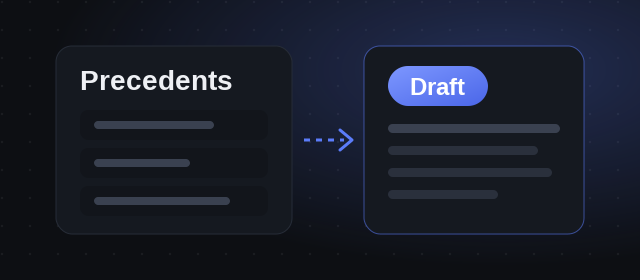
Law Firms
The pressure: clients pushing back on hours billed for routine review.
What we build: private review, drafting, and research tools built on your precedents.
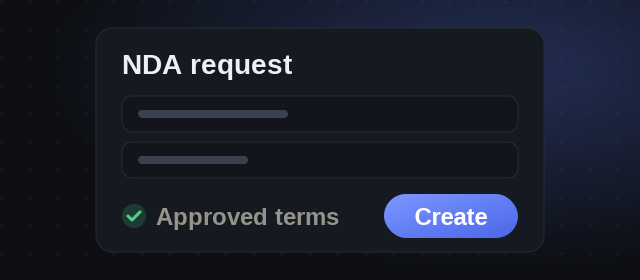
Corporate Legal Departments
The pressure: contract volume keeps rising while the legal team stays the same size.
What we build: self-serve contract tools the business can use safely.
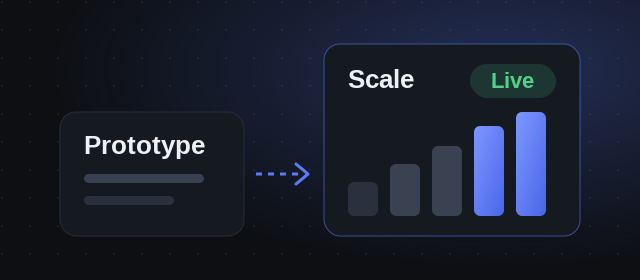
Legal Tech Companies
The pressure: shipping AI features fast without losing credibility with lawyers.
What we build: product engineering for legal software, from first prototype to scale.
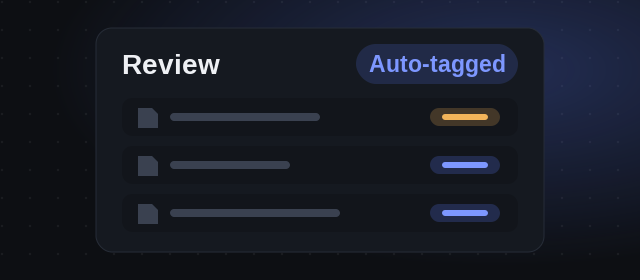
E-Discovery And Legal Service Providers
The pressure: tight deadlines and review costs that clients keep questioning.
What we build: review automation built directly into the platform you already run.
AI For Contract Review, Drafting, And Negotiation
Generic AI checks contracts against generic market terms. Our contract review AI development starts with your playbook, your fallback positions, and your clause library.
Playbook Review
Each clause is compared with your playbook, and deviations are flagged with your preferred fallback.
Redlines Inside Word
Suggested edits arrive as tracked changes and comments, written in your firm's own drafting style.
First Drafts From Your Clause Library
Term sheets and deal details become a first draft built only from your approved clauses.
Obligation Tracking After Signing
Deadlines, renewals, and notice periods are pulled from signed contracts and tracked for your team.
eDiscovery Software Development For Faster, Defensible Review
Document review is the most expensive part of discovery. We build tools that put the documents that matter most in front of reviewers first.
- 1
Process And Prioritize
Duplicates and email threads are grouped, and likely relevant documents rise to the top.
- 2
Tag Issues And Privilege
Each document gets suggested issue tags and a privilege flag, with the reason shown.
- 3
Review And Produce
Reviewers confirm or correct each suggestion, and privilege log entries are drafted for sign-off.
Attorneys decide every privilege call and every production. The AI only suggests.
Legal Research Tools With Citations You Can Check
Language models can invent cases that sound completely real. Our research tools are built so a lawyer can check every source in seconds.
- 1
Every Citation Links To Its Source
Click any cited case, statute, or clause to see the exact passage it came from.
- 2
Checked Before You See It
Each citation is matched against the source text before the answer is ever shown.
- 3
Flagged When It Can't Be Verified
Anything the system can't confirm is clearly marked for an attorney, never quietly included.
Want the technical detail? See how RAG Studio checks answers against their sources.
Have a workflow your associates dread? Walk us through it, and we'll show you which parts AI can take on safely.
Walk Us Through ItAI For The Business Side Of Legal Work
Some of the biggest time savings sit outside billable work. These AI agents for legal operations handle the admin around every matter.
Matter Intake
New matter forms are read, completed, and routed for approval without manual data entry.
Conflict Checks
Parties are checked against past matters, catching spelling variants, former names, and related companies.
Billing Narrative Review
Time entries are checked against each client's outside counsel guidelines before invoices go out.
Regulatory Change Tracking
New rules are tracked across jurisdictions, with affected clients and obligations flagged for review.
Knowledge Search Across Past Matters
Lawyers find past work product, precedents, and expert notes by asking in plain English.
Client Updates And Portals
Clients get matter status updates and routine answers without waiting for an associate's reply.
Built Around Client Confidentiality And ABA Formal Opinion 512
ABA Formal Opinion 512 asks lawyers to understand their AI tools, protect client information, supervise the output, and bill fairly. Our software is designed to support each of those duties.
Client Data Stays Private
Your documents never train shared models and can stay inside your own cloud environment.
Ethical Walls By Matter
Lawyers screened from a matter never see its documents in searches, summaries, or drafts.
Attorney Sign-Off Built In
Nothing leaves the system as final work until a responsible attorney has approved it.
Clear Records For Billing And Audits
Every AI-assisted task is logged, so time and fees can be explained to clients.
Preparing for a client security review? See our HIPAA and SOC 2 Compliance Pack and security engineering services.
Works Inside Word, iManage, NetDocuments, And Clio
Lawyers won't open yet another app. Our tools work inside the software your firm already uses every day.
Drafting
Microsoft Word and Outlook add-ins for contract review, drafting, and email.
Document Management
iManage, NetDocuments, and SharePoint, with your existing access permissions respected.
Practice Management And Billing
Clio, Aderant, and Elite 3E for matters, time, and billing.
Discovery And Research
Relativity, plus the licensed research databases your firm already uses.
How Our Legaltech Software Development Services Work
We prove value with one team before asking the whole firm to change how it works.
- 1
Pick One Practice Group
We start with one team and one workflow, such as NDA review for commercial.
- 2
Test On Your Past Matters
The tool runs on completed matters and is compared with your lawyers' actual work.
- 3
Attorney Pilot
A small group uses it on live matters while we track usage and remove friction.
- 4
Firm-Wide Rollout
Training, support, and usage reports help each new practice group adopt it quickly and confidently.
Legal AI And Software Development FAQs
Can the AI make up case citations?
It can, so our tools check every citation against its source before showing it and flag anything unconfirmed. A lawyer still reviews all work before filing.
Is our client data used to train AI models?
No. Our contracts with AI model providers bar training on your data and limit how long anything is kept. We can also run open-weight models with no outside provider involved.
How do you handle ethical walls and conflicts?
Access mirrors the matter permissions already set in iManage or NetDocuments, so the AI cannot surface a document that a user couldn't open on their own.
Will it work inside Microsoft Word?
Yes. Our contract tools run as a Word add-in, so lawyers review, accept, or reject suggestions without leaving the document or pasting text into another tool.
How do these tools fit ABA Formal Opinion 512?
They support the duties the opinion describes, but they don't replace your firm's judgment. Your ethics counsel decides how AI is used, and nothing here is legal advice.
Can you build on top of Relativity or our current review platform?
Yes. We build through the platform's own APIs and extension tools, so reviewers keep working in the screens and workflows they already know, with nothing new to learn.
Will our attorneys actually use it?
Use depends on fit. That's why we start with one practice group, watch how lawyers really work with the tool, and fix what slows them down before expanding.
What does a first legal AI project cost and take?
One workflow for one practice group, priced in a written estimate after scoping. Cost depends on integrations, document volume, and security. Most reach a pilot in about three months.
Bring Us The Work Your Associates Dread
As a legal software development company, we start where the hours pile up. Name one workflow, from NDA review to privilege logs, and an engineer will reply within one business day with what it would take to pilot it safely with one practice group.
or email contact@evolveedge.co