AI Engineering & Automation Insights
Explore practical insights on AI engineering, AI agents, automation, RAG, SaaS, and software development from the Evolve Edge engineering team.
LLMOps Guide: Managing AI Systems After Deployment
Learn how LLMOps helps organizations manage AI systems after deployment with better monitoring, workflows, governance, and reliable AI operations.
AI Orchestration Guide: How Enterprises Coordinate AI Models, Agents, and Workflows
Learn how AI orchestration coordinates models, agents, and workflows to build scalable, reliable enterprise AI systems.
AI Guardrails Guide: How to Keep LLM Apps Safe in Production
Learn what AI guardrails are, the main types with examples, and how to add them to LLM apps without slowing users down.
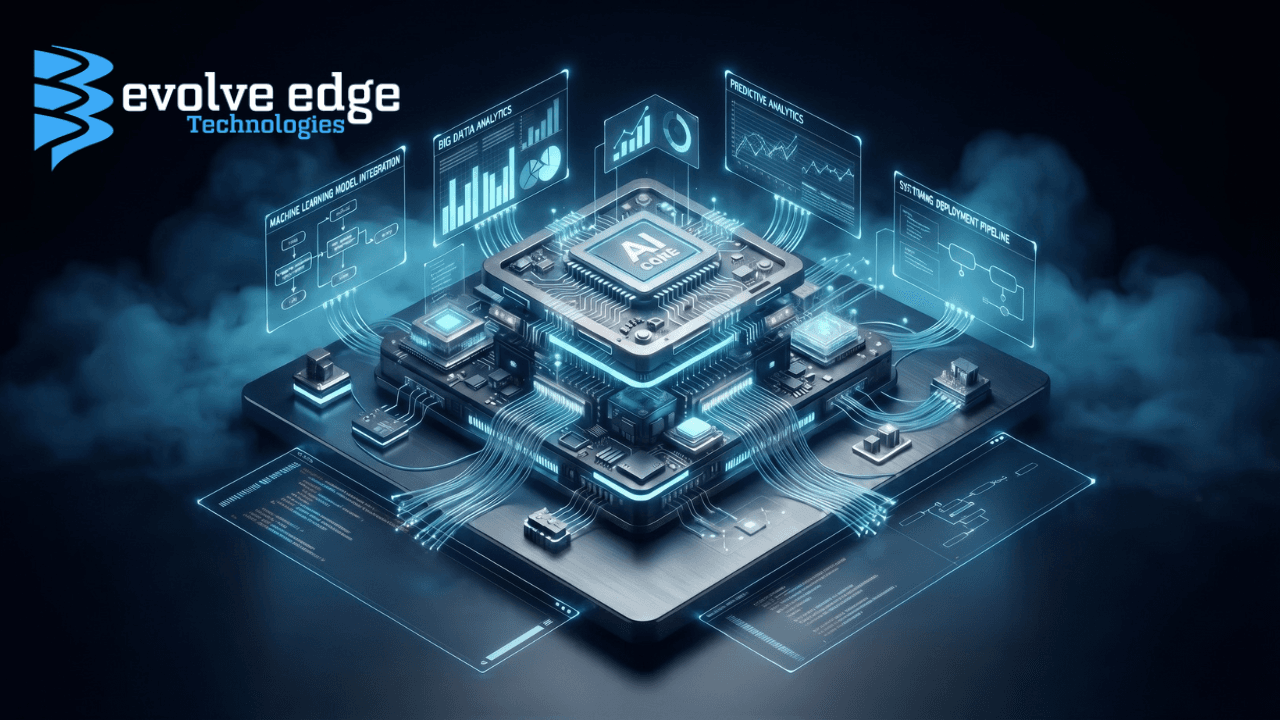
AI Copilots: What They Are and How to Build One
Learn what AI copilots are, how they work inside a product, and what separates a copilot users rely on from one they ignore.
Fine-Tuning vs RAG vs Prompt Engineering: How to Choose
Compare fine-tuning, RAG, and prompt engineering by cost, speed, and data needs, and learn which approach fits each AI problem.
AI Prototype vs Production AI Systems: A Practical Guide
Learn how AI prototypes differ from production AI systems, including changes in architecture, evaluation, scalability, security, and deployment.
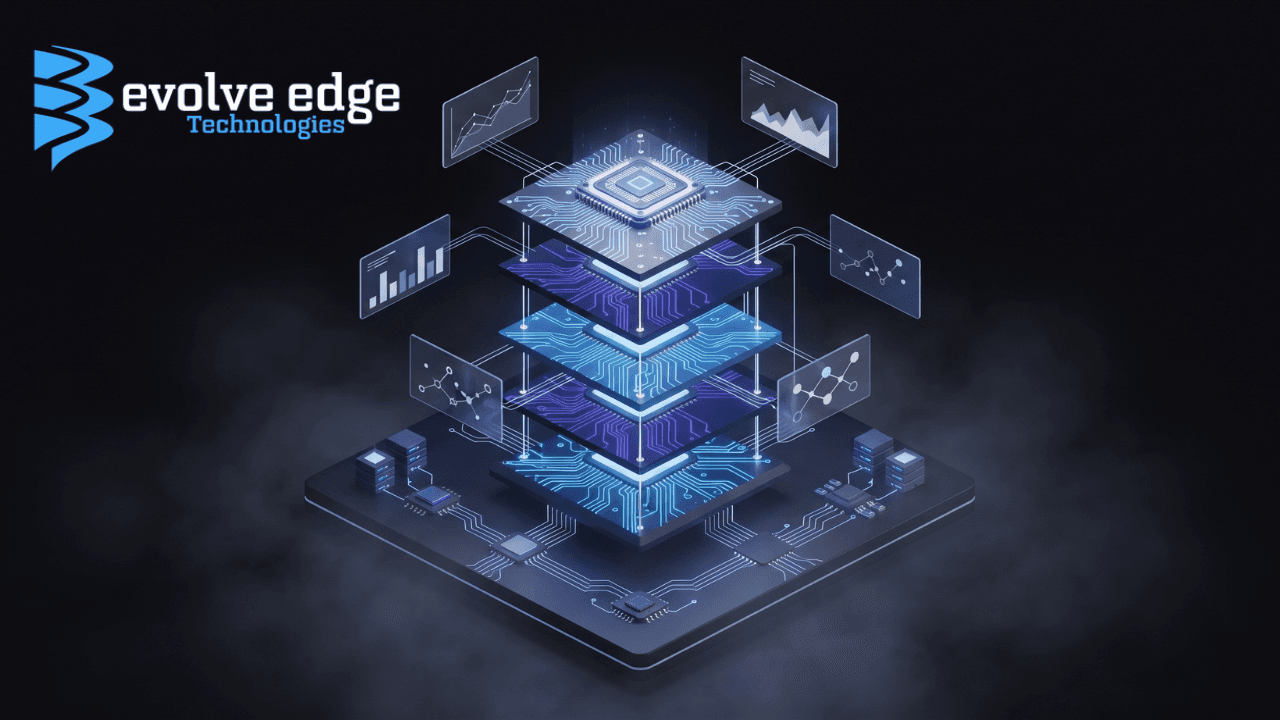
AI Architecture Design Guide: Structuring Production Systems
How to structure production AI systems: the core layers, evaluation, security, and failure handling that keep an architecture reliable at scale.
AI Evals: How to Measure Whether Your AI System Actually Works
Learn how AI evals measure whether your AI system actually works, from test datasets and scoring methods to offline, online, and continuous evaluation.
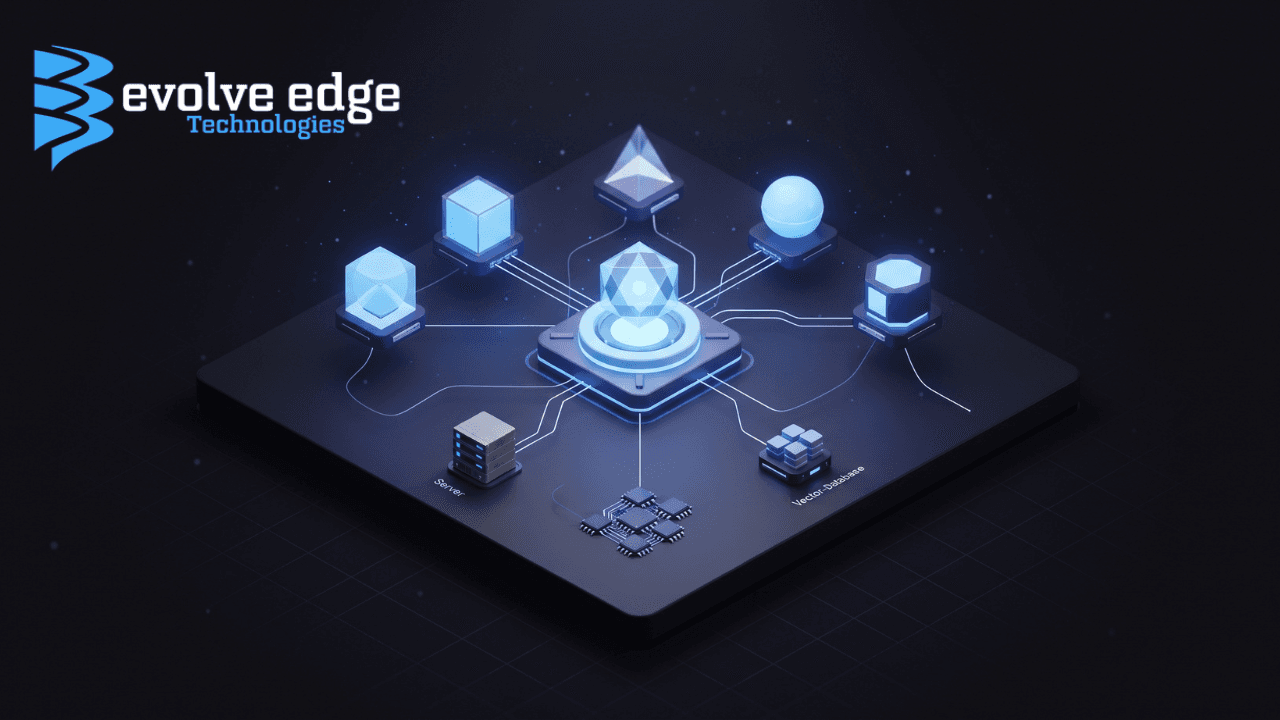
Building Multi-Agent AI Systems: A Practical Guide to Architecture and Implementation
Learn how multi-agent AI systems work, from core architecture and design patterns to implementation and when to use them over a single agent.
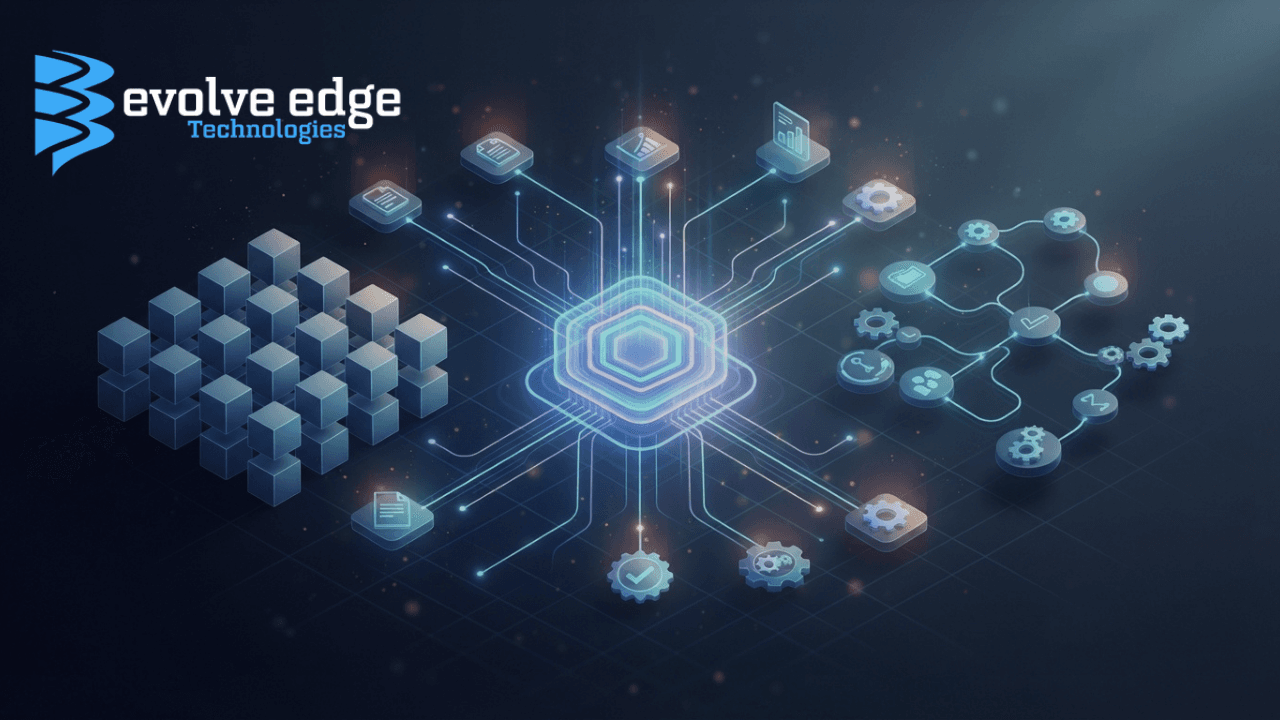
AI Agents for Automation: When and How to Deploy
AI agents handle judgment-heavy tasks that traditional rule-based automation can't — here's how to decide which one your workflow needs.
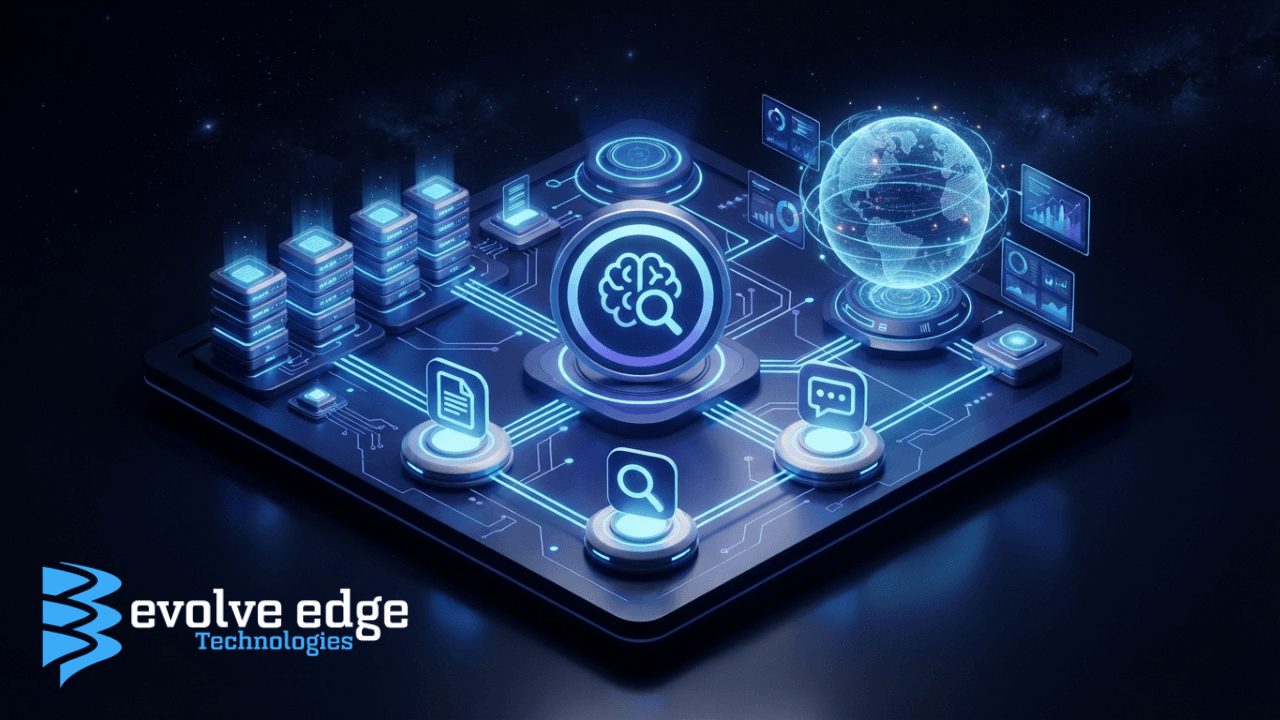
RAG Systems: How Retrieval-Augmented Generation Works
Learn how RAG systems work, how retrieval-augmented generation grounds AI in your business data, and what enterprise RAG requires in production.
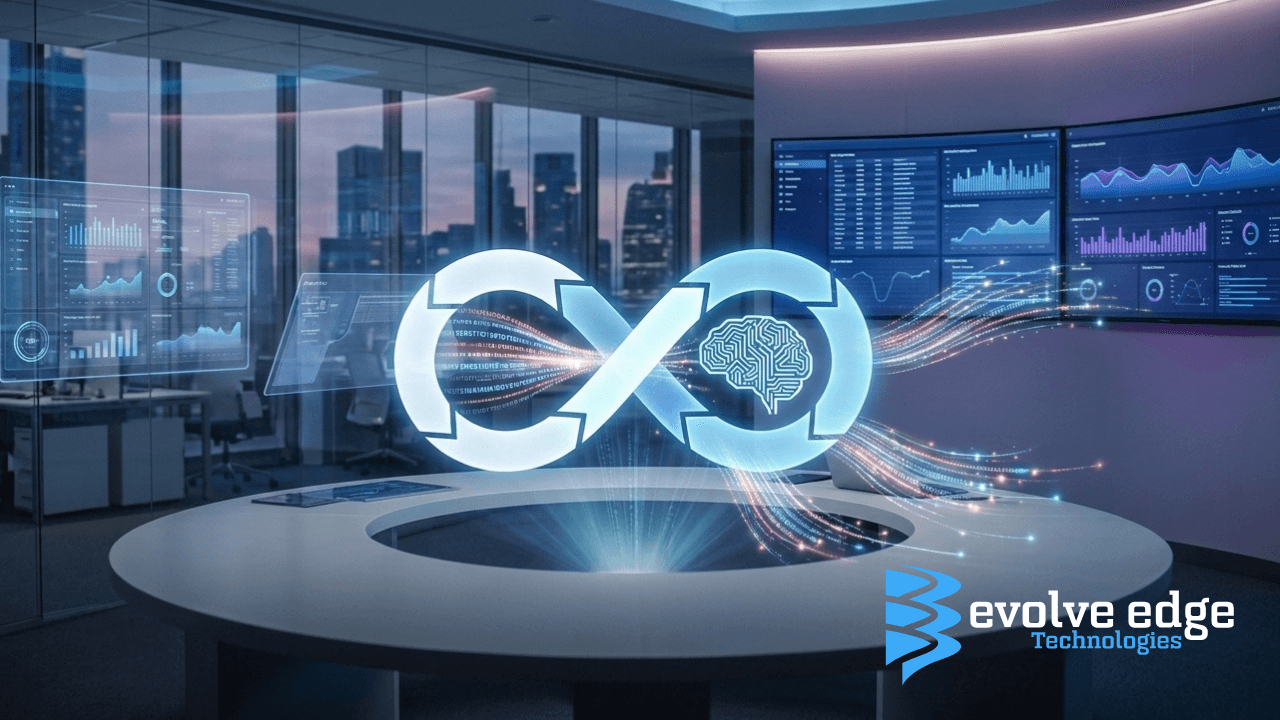
DevOps Automation: 12 Ways AI and Automation Are Changing DevOps
See 12 ways AI and automation are transforming DevOps, from CI/CD and testing to Kubernetes, incident response, and AI agents, plus how to adopt them safely.
AI in SaaS: 12 Ways SaaS Companies Are Using Artificial Intelligence
Discover 12 ways SaaS companies use AI, from copilots and AI agents to predictive analytics, personalization, automation, and intelligent search.
AI Integration: How Businesses Connect AI With Existing Software Systems
Learn how AI integration connects existing business software, databases, and workflows to automate processes, improve efficiency, and unlock smarter operations.
Voice AI Use Cases: How Businesses Are Using Voice AI in 2026
Explore 15 AI voice use cases across customer service, sales, healthcare, and real estate. See how businesses use Voice AI to automate calls in 2026.
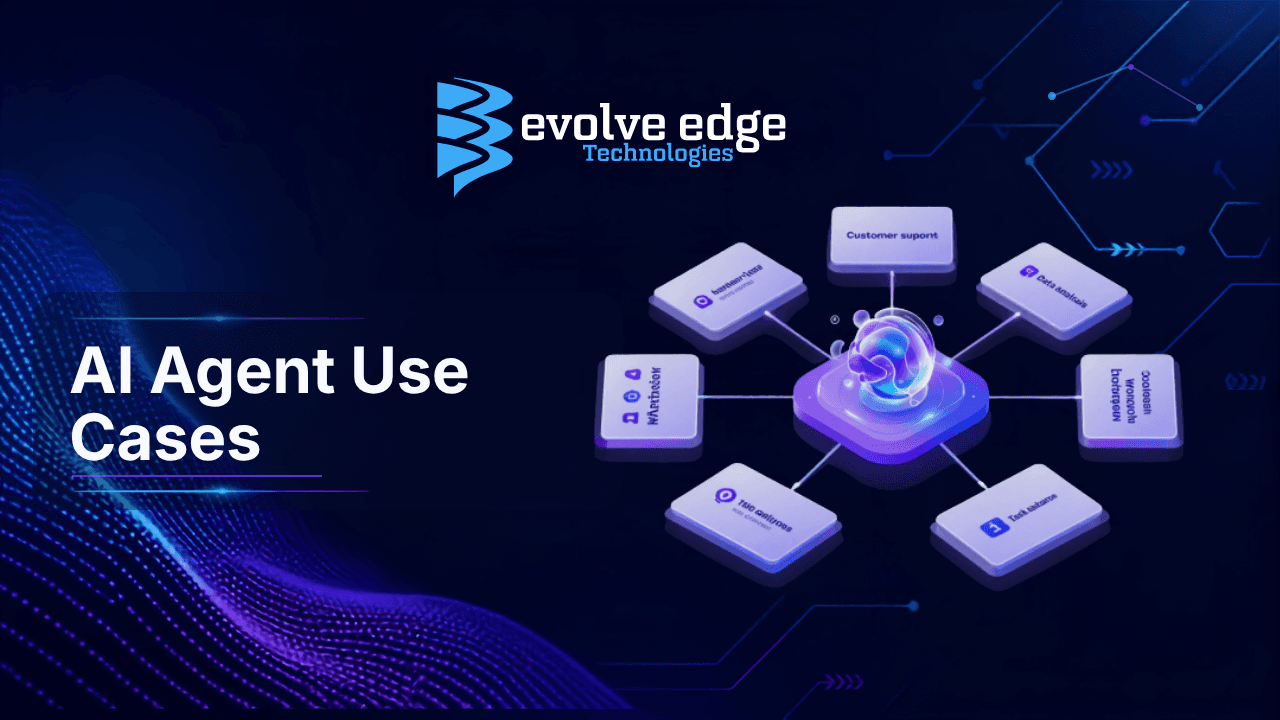
AI Agent Use Cases: 12 Ways Businesses Are Using AI Agents
Explore 12 AI agent use cases across customer support, sales, healthcare, finance, and e-commerce. See how businesses use AI agents to automate workflows.
AI vs No-Code: Which Approach Is Better For Building Software In 2026?
AI vs No-Code: Understand the key differences, costs, use cases, scalability, and how businesses can choose the right approach for software development.
AI Readiness Assessment: A Practical Guide for Businesses Preparing for AI Adoption
A practical framework for evaluating your business's data, technology, workflows, and team readiness before investing in AI.
Best Tech Stack for Startups Shipping AI Products
Learn the best AI tech stack for startups, from models and retrieval to orchestration and evaluation. Build faster, control costs, and scale without rewrites.
AI Agent Workflow Automation: Streamline Business Processes
How AI agents plan, act, and adapt to automate complex business workflows that traditional rule-based automation and chatbots can't handle.
How to Reduce Hallucinations in LLMs: Guide to Building Reliable AI Systems
A practical guide to reducing LLM hallucinations with RAG, prompt engineering, decoding controls, and verification layers for production AI systems.
LLM Cost Optimization: Strategies to Reduce AI Expenses
Learn how to optimize LLM costs with workload-based strategies, efficient models, prompt improvements, and AI architecture optimization techniques.
Agent Design Patterns: A Practical Guide to Building Reliable AI Agents
A working vocabulary of reasoning and orchestration patterns for building AI agents that don't fail in production.
Ready when you are
Want this thinking applied to your stack?
Book a call and bring your thorniest architecture question. We'll give you an honest take — on us.