
Software Engineering
Modernization
Legacy → modern without a rewrite cliff.
12–52 wk
Typical timeline
15+
Modernizations delivered
0
Big-bang rewrites attempted
99.9%
Zero-downtime cutover rate
TypeScriptNext.jsPostgresRedisAWSTerraformKubernetesKafka

99.9% zero-downtime cutover rate across 15+ strangler migrations.
Book a scoping callWhat's included
Strangler-pattern migration
New surfaces built alongside the legacy system, traffic shifted incrementally using feature flags and proxy routing. The monolith shrinks — it never has a switchover day.
Database migration
Schema modernization, Oracle-to-Postgres migrations, and data model refactoring — with zero-downtime cutovers using dual-write strategies that have been rehearsed.
API extraction
REST and GraphQL APIs extracted from monolith business logic, versioned for backward compatibility, and documented for downstream consumers who depend on them.
Cloud migration
On-prem to AWS/GCP — lift-and-shift where appropriate, re-architect where the economics demand it. No cloud dogma, just cost-benefit analysis.
Characterization test baseline
Before we change a line of legacy code, we write the tests that document what the system actually does. The safety net before the first cut.
Team enablement
We don't just hand over new code — we enable your team to own and evolve the modern system with pairing sessions, documentation, and architecture review.
How we work
Week 1–3
Legacy audit & roadmap
We map the dependency graph, identify the highest-value extraction targets, and produce a 12-month modernization roadmap.
Week 3–12
Characterization & strangler start
Test coverage baseline on legacy code. First strangler seam identified and new surface built alongside the existing system.
Week 12–36
Incremental migration
Feature by feature, service by service — traffic shifted using feature flags. No big bang, no launch date that slips.
Week 36+
Legacy decommission
Each legacy module decommissioned as it's replaced. The system gets simpler over time, not more complex.
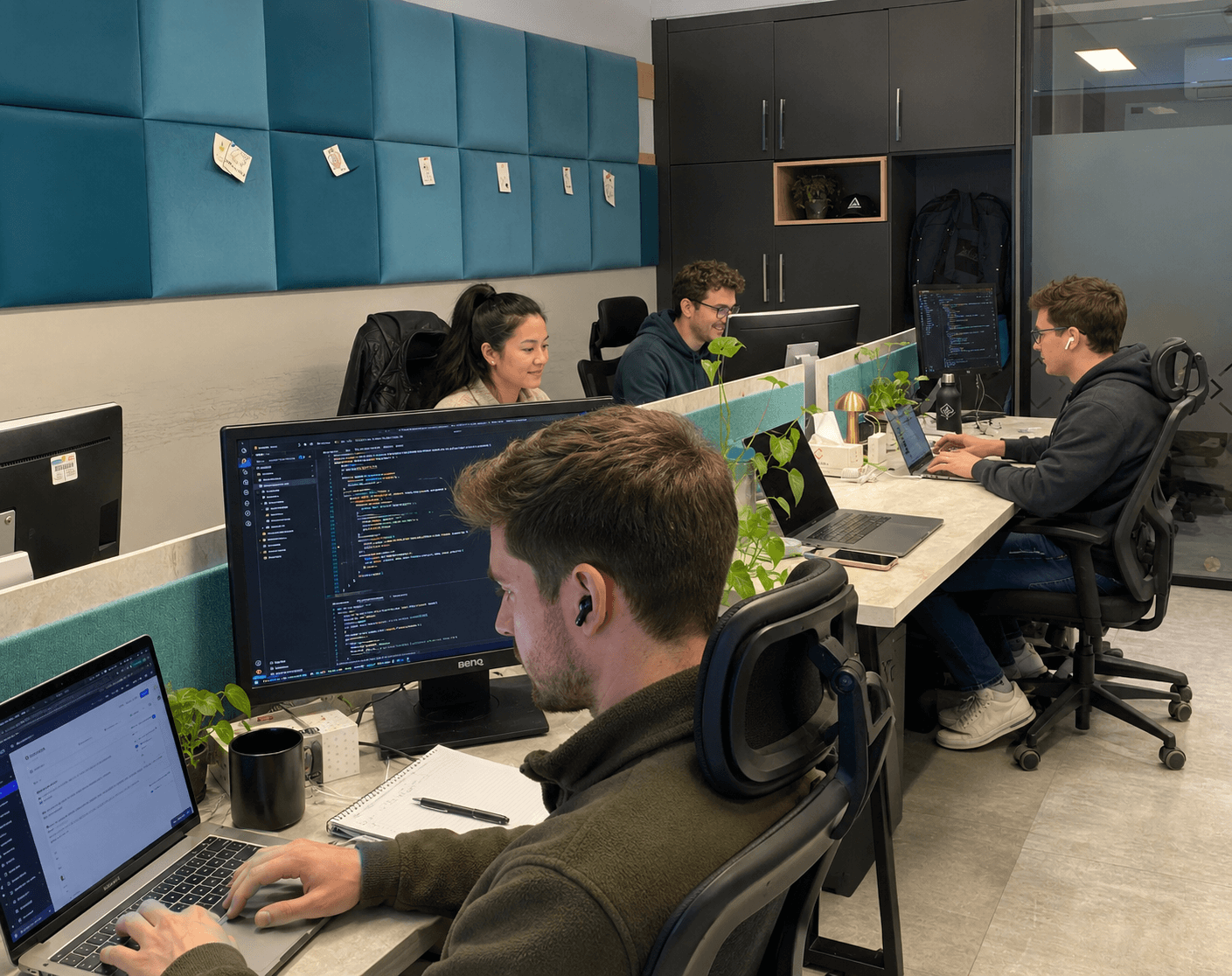
From Evolve Edge
“Production-ready means your auditors, your ops team, and your on-call engineers all agree the system is sound. We build for that standard from day one.”
FAQ
How do you avoid the 'never-ending migration' trap?
Ruthless prioritization of strangler seams that deliver the most value. We phase by ROI, not by technical elegance — so the business sees wins every quarter.
What if our legacy code has no tests?
Characterization tests first. We document existing behavior before changing it. This is non-negotiable — it's the only way to move fast without breaking things in production.
Can you migrate our database with zero downtime?
Yes. Dual-write strategies, forward-compatible schema changes, and a cutover plan that keeps both systems in sync until the moment of switch. We've done this on live production databases.
How do you keep the legacy system stable during migration?
We run a maintenance lane alongside the migration work — critical bug fixes and security patches applied to the legacy system for the full duration.
Related services
Ready to scope this?
Start your Modernization engagement
A senior engineer will review your project and reply within one business day with a clear next step.