An AI SaaS Development Company For Platforms Moving Upmarket
Evolve Edge is an AI SaaS development company that adds AI, enterprise features, and scale to the platform you already have.
- No rewrite required
- Tenant-safe AI by design
- SOC 2 Type II team
- Your code, your cloud
AI Development For SaaS Companies Facing Bigger Buyers
Growth brings new problems. These are the four we hear most from SaaS teams.
Customers now expect AI inside the product. Enterprise buyers send security questionnaires before they sign. And the architecture that got you here may not carry you to the next stage.
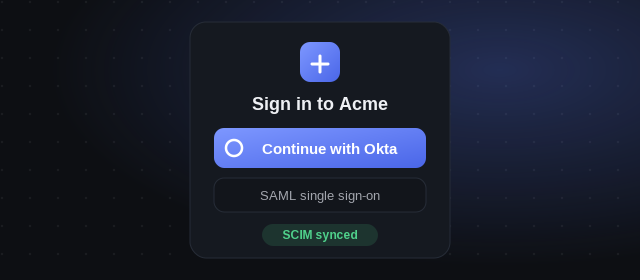
Enterprise Deals Stalling
“Our biggest prospect needs SSO by next quarter.”
What we do: add SAML single sign-on, automatic user provisioning, and custom roles to your app.
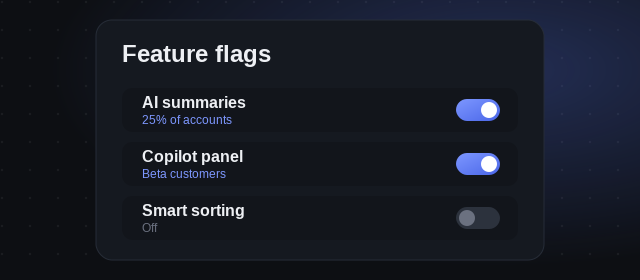
Competitors Shipping AI First
“Competitors launched AI features, and our customers keep asking.”
What we do: build AI features on your own data and release them behind feature flags.
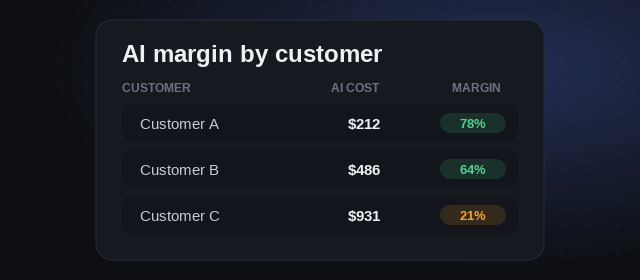
AI Costs Outpacing Revenue
“Our AI bill is growing faster than our revenue.”
What we do: meter AI use per customer and price it so every plan stays profitable.
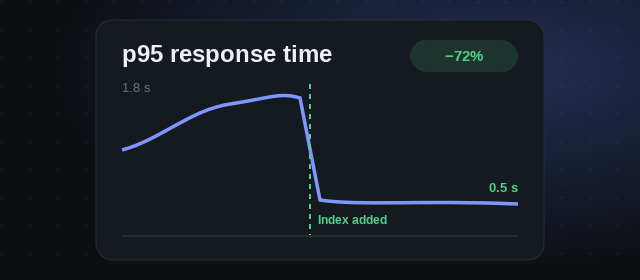
Slowdowns After Big Signings
“The app slows down every time a big customer signs.”
What we do: find the real bottleneck and fix it without rewriting your platform.
AI Copilot Development For SaaS Products
Your customers want AI that helps them get work done inside your product, not a chatbot bolted on the side.
In-Product Copilots
A copilot panel that understands the screen your user is on and helps them finish the task, using your product's own data.
Agents That Take Actions In Your App
Agents that create records, update settings, or run workflows for users, within the permissions each user already has. See AI Agents.
Answers From Each Customer's Own Data
Users ask questions and get answers drawn only from their own company's documents and records, with sources shown. RAG Studio covers how.
Summaries, Drafts, And Smart Sorting
AI that summarizes long threads, drafts replies and reports, and sorts incoming items by topic, urgency, or sentiment for your users.
AI Integration For SaaS That Never Mixes Customer Data
In a multi-tenant product, one leaked answer can cost you a customer. We design AI so it can't happen.
- 1
Every AI Search Stays Inside One Customer
Each search and every AI answer is limited to the customer's own data, and we test for leaks between customers before each release.
- 2
The AI Follows Each User's Permissions
If a user can't open a document in your app, the AI can't read it, summarize it, or quote it to them either.
- 3
Customer Admins Control AI Settings
Admins can turn AI on or off, set how long data is kept, and opt their company out of any model training.
AI Features That Protect Your Margins
AI features cost money every time someone uses them. We make sure your pricing keeps up.
Usage Metering Per Customer
Every AI request is tracked by customer and feature, so you know exactly what each account costs you to serve.
AI Pricing And Packaging
We help you package AI as credits, a higher plan tier, or a paid add-on, based on real costs per customer.
Fair-Use Limits That Don't Annoy Users
Soft limits warn users before they run out, and heavy users are offered an upgrade instead of hitting a hard block.
Margin Reports For Finance
Finance sees AI revenue against AI costs by plan and by customer each month, without asking engineering for numbers.
Every AI feature also ships with automated quality tests, so answers don't quietly get worse between releases.
SaaS Products We've Built
We've built AI products for SaaS companies that serve brands, agencies, and marketing teams.

Notifier: AI Social Listening For Brands
Notifier is an AI social listening and brand monitoring platform. It classifies conversations and analyzes sentiment in real time, so brand teams can respond strategically instead of reactively.
Read the Notifier case study
Backlink Brain: AI-Powered SEO Outreach
Backlink Brain is an AI platform that finds SEO backlink opportunities and drafts outreach messages. It launched on web, iOS, and Android, helping SEO teams run outreach campaigns at scale.
Read the Backlink Brain case study
Send us the last security questionnaire or RFP that stalled a deal. We'll show you what was missing and how long it takes to fix.
Send Us Your Last QuestionnaireWhat Enterprise-Ready SaaS Needs, Built Into Your Product
Enterprise buyers check for the same features in every evaluation. We add them without disrupting your current customers.
Single Sign-On With SAML And OIDC
Employees log in with their company accounts through Okta, Microsoft Entra ID, or Google, so IT controls who gets access.
Automatic User Provisioning (SCIM)
When a customer hires or removes an employee, that person's account in your app is created or switched off automatically.
Custom Roles And Permissions
Customer admins decide who can view, edit, or approve each part of your product, instead of picking from fixed roles.
Audit Logs Customers Can Export
Every sign-in, change, and admin action is recorded, and customers can export the log to their own security tools.
SOC 2 And Security Reviews Without Stalled Deals
SOC 2 Type I checks your controls on one date. Type II checks that they worked over a period, usually three to twelve months. We help with both.
- Type IControls checked on one date
- Type IIControls checked over three to twelve months
Gap Analysis
We compare your product, cloud setup, and processes against SOC 2 criteria first, then rank what to fix.
Controls Built Into Your Product And Pipeline
Access reviews, encryption, logging, and change approvals are built into your code and deployment pipeline, not kept on paper.
Evidence Collected As You Work
Compliance tools gather screenshots, logs, and records automatically, so audit season doesn't pull your engineers away for weeks.
Questionnaires And AI Addenda Answered
We help answer security questionnaires, including the newer AI questions about sub-processors, data use, and model training.
Need the policies and documents too? See our Compliance Pack.
Scale Your Multi-Tenant SaaS Architecture Without A Rewrite
Most slowdowns come from a few hot spots, not the whole system. We find them and fix them.
Find The Real Bottleneck
We measure where time goes on real traffic, so fixes target the actual problem instead of guesses about what might be slow.
Database And Query Fixes
Slow queries, missing indexes, and overloaded tables get fixed first, and these are often the fastest wins for a growing platform.
Protection From Noisy Neighbors
Limits and queues stop one heavy customer from slowing the app down for everyone else sharing the same platform.
Dedicated Or Regional Hosting For Large Customers
Big customers can get their own environment or keep data in a chosen region, without you forking your codebase.
For deeper performance work, see Scalability Engineering.
APIs, Integrations, And MCP Servers For An Agent-Ready Product
Your customers' tools, and now their AI agents, need clean ways to work with your product.
Public API And Webhooks
A documented API and real-time webhooks let customers connect your product to the rest of the tools they already use.
An Integration Marketplace
Ready-made connections to tools like Slack, HubSpot, and Salesforce, with secure sign-in for each one and simple setup.
An MCP Server So AI Agents Can Use Your Product
An MCP server lets AI assistants like Claude or ChatGPT read and act in your product, within each user's permissions.
Keys And Rate Limits For Partners
API keys, usage limits, and partner dashboards keep integrations reliable and stop any one partner overloading your platform.
How We Work Alongside Your Product Team
AI work and enterprise work run side by side, in one roadmap your team owns.
- 1
Review Your Product And Lost Deals
We review your architecture, your AI ideas, and the deals you lost to security reviews or missing features this year.
AI lane: your AI ideas and data
Enterprise lane: your architecture and stalled deals
- 2
Plan One Roadmap For Both
AI features and enterprise features go into one plan, ordered by revenue impact and effort, that your team owns.
AI lane: features ranked by customer demand
Enterprise lane: blockers ranked by deal value
- 3
Build Behind Feature Flags
Everything ships behind feature flags, so nothing changes for current customers until it's tested and ready to release.
AI lane: evals and metering in place
Enterprise lane: SSO, roles, and logs tested
- 4
Roll Out Customer By Customer
New features go to a few friendly customers first, then wider, with your team trained to run them on their own.
AI lane: beta customers first
Enterprise lane: the prospects waiting on it first
AI SaaS Development FAQs
What does an AI SaaS development company do?
It helps SaaS companies add AI to their products and get them ready for bigger customers. That covers AI features, tenant-safe data handling, enterprise sign-in, SOC 2 work, and scaling. If you're building a brand-new SaaS product from scratch, our SaaS Development team handles that.
Should we build AI features in-house or with a partner?
Build in-house if your team already has AI experience and spare capacity. A partner makes sense when you need to ship this quarter, or want proven patterns for testing, cost tracking, and data isolation that your engineers can keep using after we hand over.
How do you stop one customer's data appearing in another customer's AI answers?
Isolation is built into how the AI searches, not added as a filter afterwards. Each query carries the customer and user it belongs to, and automated leak tests try to pull other customers' data before every release. If a test fails, the release stops.
How long does SOC 2 take?
It depends on where you start. Type I can come within a few months once controls are in place. Type II adds an observation period to show the controls keep working. Starting from scratch, most companies should plan for close to a year in total.
Can you help us pass enterprise security reviews?
Yes. We help with questionnaires, fixes after penetration tests, and vendor risk documents. Buyers now also ask which model providers process their data, whether it's used for training, and how long it's kept. We help you answer those clearly and in writing.
How should we price AI features?
Start from what each feature costs you per customer, then pick a model that fits how customers use it: credits for heavy, variable use, a higher tier for core features, or a paid add-on for specialist tools. Metering comes first, because pricing without it is guesswork.
Will adding AI or SSO mean a rewrite?
Rarely. Most platforms need targeted changes, not a rebuild: a new sign-in layer for SSO, a separate service for AI features, and fixes where data access is unsafe. Each piece is switched on only when it's ready, so customers never notice the work happening.
How does a first SaaS project start?
With a review of your product, architecture, and the last few deals you lost or that stalled. We turn that into one roadmap covering AI and enterprise work, ranked by revenue impact.
Close The Deals You're Losing Today
Tell us which deals stalled, which features customers keep asking for, and where your platform strains. We'll turn it into one plan you can act on this quarter. That's what an AI SaaS development company should do: help you sell bigger, ship smarter, and keep the platform you've built.
or email contact@evolveedge.co